
Pinterest’s embrace of Japanese aesthetics is transforming homes globally. This guide delves into the core principles of Japanese decor, exploring everything from minimalist forms and natural materials to the subtle color palettes that define the style. It analyzes trending interpretations on Pinterest, considering how these visual cues translate into functional living spaces.
From the meticulous arrangement of furniture to the thoughtful integration of plants and lighting, this comprehensive look at Pinterest Japanese decor provides a roadmap for achieving a harmonious and visually appealing space, whether you’re a seasoned enthusiast or just starting your journey into this captivating aesthetic.
Defining Japanese Decor Style
Japanese interior design embodies a deep-seated respect for nature, minimalism, and a harmonious blend of tradition and modern aesthetics. This style transcends mere decoration; it reflects a philosophy of living in sync with the surrounding environment, prioritizing tranquility and simplicity. The core principles of Japanese aesthetics are deeply rooted in centuries of cultural and philosophical development, shaping a distinct visual language that continues to inspire designers worldwide.Japanese decor, at its heart, is characterized by a focus on creating a sense of calm and serenity through the careful arrangement of elements.
This is achieved through the use of natural materials, muted color palettes, and a deliberate avoidance of clutter. The style prioritizes the beauty of simplicity, often emphasizing the inherent elegance of unadorned objects and spaces.
Core Principles and Elements
Japanese aesthetics are grounded in the principles ofwabi-sabi*, a concept that embraces imperfection, impermanence, and the beauty found in natural processes. This philosophy manifests in the use of subtly aged or weathered materials, the acceptance of asymmetry, and the appreciation of the natural beauty of objects that have developed character over time. This emphasis on imperfection is contrasted with a strong emphasis on minimalism, ensuring a clutter-free environment that fosters focus and tranquility.
Historical and Cultural Influences
The development of Japanese decor style is intrinsically linked to the country’s rich history and cultural values. Influences from Zen Buddhism, Shinto beliefs, and the traditional Japanese tea ceremony are woven into the fabric of this aesthetic. These influences often manifest in the careful placement of elements, the use of natural materials, and the appreciation of subtle beauty.
The emphasis on harmony with nature is evident in the use of natural light and the incorporation of elements like water features.
Key Visual Elements
The visual language of Japanese decor is defined by several key elements. Natural materials such as wood, bamboo, and stone are frequently employed, bringing the beauty of the natural world into the home. Minimalist forms and clean lines are prevalent, emphasizing simplicity and allowing the beauty of the materials to take center stage. Color palettes are typically subdued and muted, often featuring earth tones, greys, and blacks, creating a serene and tranquil atmosphere.
The use of natural light and the interplay of shadows and light further contribute to the overall aesthetic.
Common Materials Used
| Material | Description | Example Usage |
|---|---|---|
| Wood (e.g., cedar, cypress) | Often used for flooring, furniture, and screens. The natural grain and subtle hues are appreciated. | Flooring, furniture, shoji screens |
| Bamboo | Used for furniture, screens, and decorative elements. Its strength and natural beauty complement the overall aesthetic. | Furniture, partitions, decorative accents |
| Paper (e.g., washi) | Used for screens (shoji), partitions, and decorative elements. Its translucent quality allows for natural light to filter through. | Shoji screens, partitions, decorative elements |
| Stone | Used for flooring, water features, and decorative accents. Its natural texture and color offer a sense of grounding and tranquility. | Flooring, garden features, decorative accents |
| Silk | Used for textiles, bedding, and decorative elements. Its rich textures and colors create visual interest. | Textiles, cushions, decorative accents |
Exploring Pinterest Trends
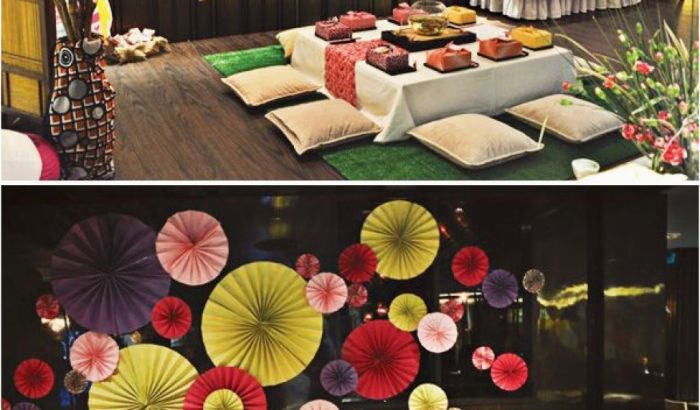
Pinterest, a visual discovery platform, offers a rich tapestry of Japanese decor styles. Users frequently utilize the platform to express their aesthetic preferences, fostering a dynamic interplay between traditional and contemporary interpretations of Japanese aesthetics. This analysis delves into the prevalent color palettes, recurring motifs, and differing approaches to Japanese decor visible on Pinterest, offering a glimpse into current trends and preferences.Pinterest’s influence on interior design is undeniable.
Users showcase their spaces, inspiring others and driving demand for specific items and design elements. This exploration examines the popular trends, providing a detailed overview of the evolving nature of Japanese decor on the platform.
Popular Color Palettes
Pinterest showcases a range of color palettes for Japanese decor, often centered around natural tones. Muted earth tones, such as warm browns, deep greens, and soft grays, are frequently seen, evoking a sense of tranquility and harmony. Variations include lighter shades of beige and cream, mirroring the natural beauty of Japanese gardens and traditional materials. These palettes create a calming atmosphere, aligned with the core principles of Japanese aesthetics.
Additionally, pops of color, such as indigo blue, cherry blossom pink, and deep reds, add visual interest while maintaining a sense of restraint.
Recurring Themes and Motifs
Japanese motifs are prevalent in Pinterest boards dedicated to Japanese decor. The recurring use of bamboo, cherry blossoms, and stylized landscapes reflect the strong connection to nature and traditional Japanese art forms. Geometric patterns, often inspired by traditional Japanese architecture and design, appear frequently, complementing the natural motifs. Images featuring minimalist, clean lines are also common, underscoring the emphasis on simplicity and functionality in Japanese design principles.
The aesthetic blends elements of nature, tradition, and modern sensibilities.
Different Approaches to Japanese Decor
Pinterest reveals a spectrum of approaches to Japanese decor. Some boards lean heavily on traditional elements, featuring tatami mats, shoji screens, and low-profile furniture. Others blend traditional pieces with contemporary furniture and lighting, creating a unique fusion style. The use of natural materials like wood, bamboo, and stone is a constant across both approaches, emphasizing the importance of authenticity and sustainability in design.
Furniture and Accessory Arrangement
The typical arrangement in Pinterest Japanese decor emphasizes minimalism and functionality. Low-profile furniture, often made from natural materials, is a key feature. Open spaces are prioritized, allowing natural light to flow freely and accentuating the sense of serenity. Accessories, such as decorative bowls, vases, and sculptures, are strategically placed to complement the overall aesthetic. Careful consideration of negative space is crucial to maintain a sense of harmony and balance.
Comparison of Traditional and Contemporary Interpretations
| Feature | Traditional Interpretation | Contemporary Interpretation |
|---|---|---|
| Furniture | Low-profile, natural materials (tatami mats, wooden stools) | Low-profile or modern furniture blended with traditional pieces |
| Color Palette | Muted earth tones, natural materials | Muted earth tones with subtle pops of color |
| Motifs | Intricate traditional patterns, cherry blossoms, bamboo | Modernized versions of traditional motifs, simple geometric patterns |
| Space | Open spaces, emphasis on natural light | Open spaces, natural light combined with modern lighting |
| Accessories | Traditional Japanese decorative items | Combination of traditional and modern decorative items |
This table highlights the key differences between traditional and contemporary interpretations of Japanese decor on Pinterest, demonstrating the ongoing evolution of the style. Traditional elements remain significant but are frequently incorporated into contemporary settings, showcasing a dynamic interplay between old and new.
Analyzing Room Styles
Japanese-inspired rooms prioritize a sense of calm and harmony, often achieved through minimalist design and the integration of natural elements. This aesthetic extends beyond mere aesthetics; it reflects a deep-seated cultural appreciation for simplicity and the inherent beauty of the surrounding environment. Understanding how space is utilized in these rooms is key to effectively incorporating Japanese design principles into contemporary living spaces.The careful consideration of space, light, and natural materials in Japanese design creates a tranquil and inviting atmosphere.
This approach emphasizes the importance of thoughtful planning and mindful use of every available square foot, ensuring that each element contributes to the overall sense of balance and serenity.
Typical Use of Space in Japanese-Inspired Rooms
Japanese interior design emphasizes a sense of spaciousness even in compact areas. This is achieved through the strategic use of negative space, allowing the eye to roam freely and creating a feeling of openness. Multi-functional furniture and thoughtful storage solutions are common, maximizing the use of available space without sacrificing aesthetic appeal.
Examples of Different Room Types
- Living Room: A Japanese-style living room often features a low, tatami-mat floor with a minimalist approach to furniture. Natural materials like wood and bamboo are prevalent, often paired with natural fibers such as linen or cotton. Large windows are frequently incorporated to maximize natural light, which is vital to the overall ambiance. Low, cushioned seating areas encourage relaxation and quiet contemplation.
A carefully curated collection of decorative items, like ikebana arrangements or minimalist sculptures, adds a touch of sophistication. The space is designed to encourage conversation and relaxation, fostering a sense of tranquility.
- Bedroom: A Japanese bedroom often showcases a serene and calming atmosphere. A minimalist approach to furnishings is common, with a focus on comfort and functionality. Natural light and air circulation are prioritized, emphasizing a connection to the outdoors. The bed, often a simple futon or low platform bed, is typically positioned to maximize the sense of space.
Neutral color palettes and natural materials, such as bamboo or wood, create a soothing and peaceful atmosphere. Muted tones like beige, gray, and off-white are popular, promoting a calm and restful sleep environment.
- Bathroom: Japanese bathrooms often incorporate minimalist design elements, prioritizing functionality and efficiency. Natural materials like wood and stone are frequently used for surfaces, adding a touch of tranquility. Neutral color palettes are prevalent, creating a calming and soothing atmosphere. Space-saving fixtures and minimalist design elements are key considerations, reflecting the Japanese philosophy of efficiency. Natural light is often maximized through strategically placed windows or skylights.
Minimalist design and thoughtful layout make the most of available space, enhancing the feeling of cleanliness and serenity.
Utilizing Natural Light and Space
Natural light is a crucial element in Japanese design, creating a sense of connection to the outdoors. Large windows and strategically placed skylights are common, allowing natural light to filter through the room. The careful placement of furniture and decorative items ensures that natural light is maximized, minimizing the need for artificial lighting. The openness and spaciousness fostered by the design encourage a harmonious relationship between the interior and exterior spaces.
Incorporating Japanese Elements into Each Room Type
- Living Room: Incorporate low, comfortable seating, like a futon or a tatami-mat platform. Introduce natural materials such as bamboo, wood, and stone in furniture and décor. Use natural fabrics like linen or cotton for cushions and textiles. Introduce minimalist decorative items, such as ikebana arrangements or small, handcrafted sculptures.
- Bedroom: Opt for a simple futon or a low platform bed. Incorporate a minimalist approach to the bed and bedside tables, using natural materials like wood and bamboo. Utilize natural textiles, like linen or cotton, for bedding and curtains. Maximize natural light by incorporating large windows or skylights.
- Bathroom: Employ natural materials like wood and stone for surfaces. Use neutral color palettes to create a calming and soothing atmosphere. Incorporate minimalist fixtures and accessories. Maximize natural light through strategic window placement or skylights. Consider the use of natural materials for towels and bath mats.
Pros and Cons of Different Room Layouts
| Room Layout | Pros | Cons |
|---|---|---|
| Open-plan layout | Maximizes natural light and creates a sense of spaciousness. Facilitates easy flow between rooms. | Can be challenging to maintain privacy in different areas. Potential for noise issues. |
| Segregated rooms | Provides privacy and distinct zones for different activities. | Can feel less spacious, particularly in smaller homes. May not maximize natural light as effectively. |
| Multi-functional spaces | Maximizes space usage, particularly in smaller homes. Provides versatility for different activities. | May require more careful planning and organization to maintain a sense of order. |
Key Elements and Accessories
Pinterest’s Japanese decor aesthetic showcases a meticulous blend of tradition and contemporary sensibilities. This meticulous approach extends to the selection and placement of accessories, which play a crucial role in conveying the spirit of Japanese design principles. From carefully chosen prints to meticulously arranged bonsai, each element contributes to the overall atmosphere of tranquility and harmony.The selection of accessories in Japanese decor is not arbitrary; it reflects a deep-seated cultural appreciation for symbolism and aesthetics.
These carefully chosen items often serve as visual metaphors for concepts like nature, serenity, and the interconnectedness of life. Understanding these symbolic representations allows one to fully appreciate the nuances of the aesthetic.
Common Accessories
Japanese decor on Pinterest frequently features a curated collection of objects, including traditional Japanese art prints, meticulously arranged bonsai trees, and minimalist decorative trays. These accessories are chosen for their aesthetic appeal, ability to evoke a specific atmosphere, and adherence to the principles of balance and harmony. The meticulous arrangement of these items underscores the importance of visual order and the creation of a calming space.
Symbolism in Accessories
The symbolic weight of various accessories contributes significantly to the overall aesthetic. For example, a bonsai tree symbolizes longevity, resilience, and the beauty of nature. Traditional Japanese art prints, often depicting landscapes or figures, carry rich cultural and artistic significance, representing the essence of Japanese aesthetics. The selection of each item, therefore, reflects a conscious effort to evoke a specific mood or convey a particular message.
Balance and Harmony in Accessories
Achieving balance and harmony in the use of accessories is paramount in Japanese decor. The principle of “shibui” – a restrained elegance – often guides the selection of materials and colors. The careful arrangement of objects, often using a minimalist approach, fosters a sense of calm and tranquility. Items are positioned strategically to avoid clutter or visual imbalances.
This attention to detail ensures a cohesive and visually appealing environment.
Role of Lighting and Textures
Ambient lighting plays a crucial role in enhancing the atmosphere. Soft, diffused lighting, often achieved through the use of candles or strategically placed lamps, creates a serene and inviting ambiance. The integration of textures is equally important, contributing to the visual interest and depth of the space. Natural materials like bamboo, wood, and silk are commonly used, adding warmth and authenticity to the aesthetic.
Comparison of Japanese Art Forms in Decor
| Art Form | Description | Aesthetic Impact | Typical Use in Decor |
|---|---|---|---|
| Calligraphy | Elegant, stylized writing, often incorporating symbolic characters or nature motifs. | Evokes a sense of serenity and cultural depth. | Wall hangings, decorative scrolls, or small tabletop pieces. |
| Prints (e.g., Ukiyo-e) | Woodblock prints depicting landscapes, scenes of daily life, or figures. | Convey a sense of beauty and historical context. | Wall art, room dividers, or as part of a gallery wall. |
| Ikebana (Japanese flower arrangement) | Artful arrangement of flowers and foliage, emphasizing balance and harmony. | Creates a connection to nature and tranquility. | Centerpieces, table arrangements, or focal points within a room. |
The table above demonstrates the diverse range of Japanese art forms that can be incorporated into a decorative scheme. The choice of art form, however, depends heavily on the specific style and aesthetic that the homeowner is aiming for.
Material Selection
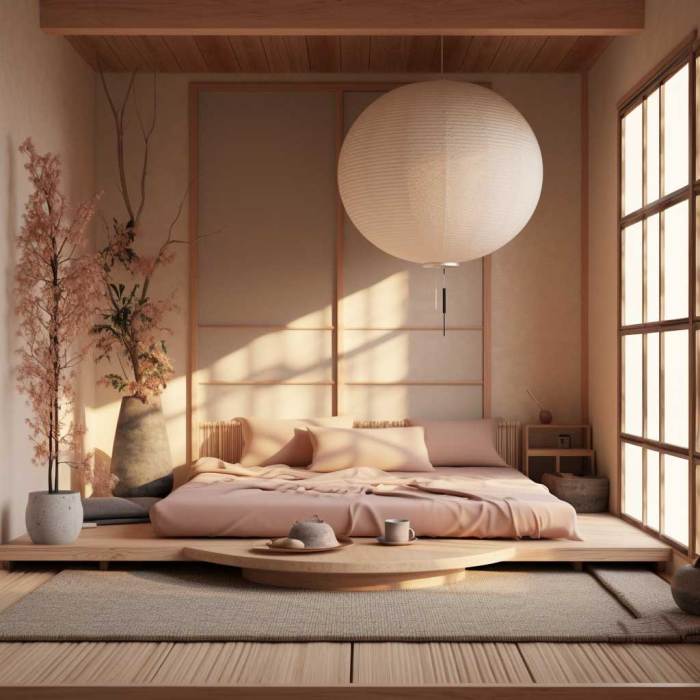
Japanese aesthetics prioritize harmony with nature, reflected in the careful selection of materials. This emphasis on natural elements imbues spaces with a sense of tranquility and enduring beauty, distinguishing Japanese decor from other styles. The choice of materials speaks volumes about the values and philosophy underpinning the design.The use of natural materials in Japanese decor is more than just a stylistic choice; it’s deeply rooted in the cultural appreciation for the inherent beauty and functionality of natural resources.
This approach not only creates visually appealing spaces but also promotes a connection to the environment, fostering a sense of serenity and mindfulness.
Natural Material Importance
Natural materials are integral to Japanese design, signifying respect for the environment and the inherent beauty of natural processes. The subtle textures, warm tones, and unique patterns of natural materials contribute to the overall aesthetic, creating a calming and inviting atmosphere. They evoke a sense of authenticity and connection to nature.
Examples of Natural Materials
Japanese decor often features a diverse range of natural materials. Wood, bamboo, and stone are prominent choices, each offering distinct characteristics and applications.
- Wood: Various types of wood, including cherry, maple, and cedar, are frequently used for furniture, flooring, and decorative elements. The warm tones and natural grain patterns of wood create a sense of warmth and grounding. For example, polished cherrywood floors in a traditional Japanese living room add a touch of elegance and sophistication.
- Bamboo: Its strength, flexibility, and natural aesthetic make it ideal for screens, partitions, furniture, and decorative accents. Bamboo’s natural color variations and subtle textures contribute to the visual appeal and eco-friendliness of the design. A bamboo screen adds a touch of minimalist elegance and a sense of spaciousness to a Japanese-inspired garden.
- Stone: Stone is employed in flooring, countertops, and decorative elements, showcasing the beauty of natural patterns and textures. The cool, calming effect of stone complements the warmth of wood and other natural materials. A stone-clad wall in a Zen garden provides a grounding element and a connection to the earth.
Aesthetic Impact of Natural Materials
The incorporation of natural materials in Japanese decor has a profound aesthetic impact. The use of natural tones, textures, and patterns creates a sense of harmony and tranquility. The natural elements evoke a sense of connection to nature, promoting a sense of peace and serenity.
Natural Fibers and Textures
Natural fibers play a significant role in Japanese design. Materials like silk, linen, and cotton are used for textiles, creating a tactile experience that adds to the aesthetic appeal of the space. The interplay of natural fibers and textures in textiles, bedding, and wall coverings adds depth and visual interest to the decor.
- Silk: The luxurious feel and delicate sheen of silk textiles contribute to the elegance and sophistication of Japanese interiors. Silk fabrics, often used for cushions and bedding, provide a touch of opulence and enhance the aesthetic experience.
- Linen: The natural texture and breathability of linen create a sense of lightness and airiness. Linen fabrics are often used for curtains and upholstery, adding a touch of natural simplicity and elegance to the design.
- Cotton: The soft and comfortable texture of cotton is a key element in Japanese textiles, often used for bedding and upholstery. The simplicity and natural feel of cotton contribute to the calming atmosphere.
Sustainable Materials
Integrating sustainable materials into Japanese-inspired designs aligns with the core values of the style. Using recycled or reclaimed wood, bamboo, and other sustainable options reflects a commitment to environmental responsibility. Choosing these materials reduces the environmental impact and fosters a deeper connection to the natural world.
Color Schemes and Palettes
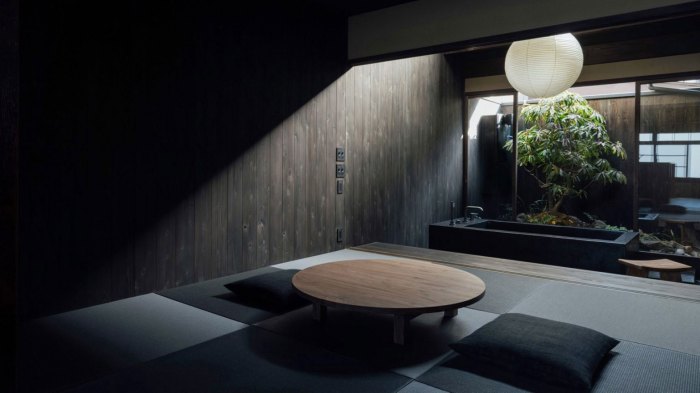
Japanese interior design often prioritizes harmony and tranquility, reflected in its carefully curated color palettes. These palettes aren’t arbitrary choices; they’re deeply rooted in Japanese aesthetics and cultural symbolism, conveying a sense of serenity and connection to nature. Subtle color gradients and the thoughtful use of neutral tones are key elements in achieving this harmonious ambiance.The color choices in Japanese decor aren’t simply about aesthetics; they hold symbolic weight.
Colors are used to evoke specific feelings and create a particular mood. From calming blues to earthy browns, each hue contributes to the overall atmosphere and reinforces the principles of balance and mindfulness central to Japanese culture. This mindful approach to color is a key feature of the design.
Common Color Palettes
Japanese interior design frequently employs color palettes that evoke a sense of serenity and tranquility. Natural tones, often inspired by the Japanese landscape, are prominent. These palettes, often characterized by muted hues and subtle transitions, create a calming and serene environment.
Symbolism and Cultural Significance
Colors in Japanese aesthetics are not merely visual elements; they often carry rich symbolic meanings. For example, the deep green of bamboo forests represents growth and resilience, while the soft white of cherry blossoms signifies purity and transience. These symbolic associations enrich the experience of the space and connect the design to deeper cultural values.
Subtle Color Gradients
The use of subtle color gradients is crucial to the Japanese aesthetic. Gradual transitions between colors, like the shift from a pale sage green to a deeper forest green, create a sense of fluidity and movement within the space. These nuanced transitions mirror the ever-changing natural world, contributing to a dynamic yet harmonious atmosphere. For instance, a wall painted with a gradient from light gray to charcoal creates depth and visual interest without overwhelming the room.
Neutral Colors and Muted Tones
Neutral colors and muted tones are fundamental to Japanese interior design. These colors, often derived from natural materials like wood and stone, provide a backdrop that allows the focus to rest on the subtle textures and natural light within the space. The use of muted tones, like soft beige, muted gray, and warm cream, promotes a sense of calm and serenity.
This approach allows the room’s other elements to stand out more clearly.
Color Palette Examples
| Color Palette | Description | Examples in Japanese Decor |
|---|---|---|
| Earth Tones | Shades of brown, beige, and taupe, evoking nature. | Earthy-toned wood flooring, walls painted a muted beige, and accents of terracotta. |
| Water Colors | Soft blues, greens, and grays, reminiscent of water and sky. | Blue-toned walls, bamboo accents, and subtle watercolor-inspired artwork. |
| Warm Neutrals | Creams, beiges, and light browns, creating a sense of warmth and comfort. | Cream-colored walls, light wood furniture, and accents of warm beige textiles. |
| Cool Neutrals | Gray, light gray, and muted blues, creating a sense of tranquility. | Gray-toned walls, light gray stone accents, and furniture in light gray tones. |
Furniture and Arrangement
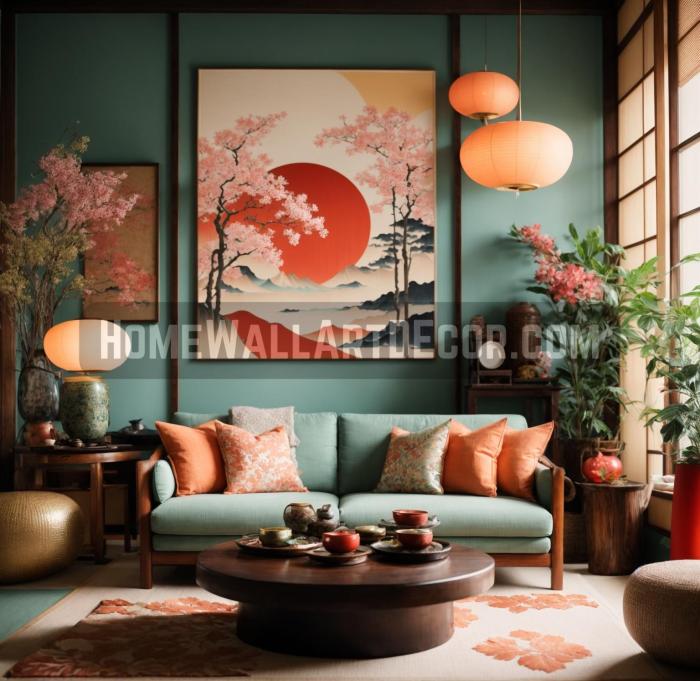
Japanese-inspired interiors prioritize minimalism and functionality, often using furniture that seamlessly blends with the surrounding space. This approach emphasizes a deep connection between the environment and the occupant, promoting a sense of calm and harmony. The arrangement of furniture is crucial, dictating the flow and atmosphere of the room.The key to creating a Japanese-inspired space lies in understanding the principles of arrangement and the unique types of furniture employed.
Low furniture, for example, encourages a closer connection to the floor, promoting a sense of tranquility and mindfulness. The careful selection of materials and colors, coupled with strategic placement, creates a harmonious and visually appealing space.
Common Types of Furniture
Japanese-inspired spaces often feature a range of low-profile furniture. Traditional items like low tables (ちゃぶ台
- chabudai), low stools (こたつのいす
- kotatsu no isu), and futons (ふとん
- futon) are common. These pieces, designed for flexibility and practicality, contribute to the overall aesthetic of the space.
Principles of Arrangement and Space-Saving Designs
Japanese interior design prioritizes efficient use of space. Furniture is often arranged to create open areas for movement and interaction, maximizing the feeling of spaciousness. The placement of items often reflects a deep understanding of feng shui principles. Multi-functional pieces, such as storage ottomans, are also frequently incorporated to minimize clutter.
Low Furniture and Tatami Mats
Low furniture, such as cushions, poufs, and low tables, is a hallmark of Japanese design. This furniture encourages a closer connection to the floor and the surrounding space. Tatami mats (畳tatami), traditionally made of woven straw, are a cornerstone of Japanese interior design. These mats provide a practical and aesthetically pleasing base for the furniture and define the space in a subtle yet profound way.
The use of tatami mats often leads to a very specific floor-level arrangement, shaping the overall room layout.
Examples of Furniture Evoking a Japanese Aesthetic
Traditional Japanese furniture pieces, such as low tables (ちゃぶ台
- chabudai) and shoji screens (障子
- shoji), can easily evoke a Japanese aesthetic. The use of natural materials like wood and bamboo, often in a simple and unadorned design, is characteristic of this style. Furniture pieces like low, round tables with simple legs or wooden stools can be integrated into a space, complementing the overall aesthetic.
Comparison of Japanese and Western Furniture Styles
| Feature | Japanese Furniture | Western Furniture |
|---|---|---|
| Height | Generally lower to the ground | Typically higher from the floor |
| Material | Often natural materials like wood, bamboo, and straw | May include a wider range of materials, including metal and glass |
| Design | Emphasis on simplicity and functionality | Can be more ornate and elaborate |
| Arrangement | Focus on open space and movement | Often involves more defined zones and areas |
| Purpose | Emphasis on functionality and integration with nature | Often serves specific purposes, such as seating or dining |
Plants and Greenery
Bringing nature indoors is a key tenet of Japanese design, symbolizing harmony and connection with the surrounding environment. Integrating plants and greenery into a Japanese-style home goes beyond mere aesthetics; it’s an integral part of the philosophy of wabi-sabi, embracing the beauty of imperfection and the natural cycle of life. The careful selection and placement of plants create a serene and inviting atmosphere, reflecting the emphasis on simplicity and tranquility.The presence of greenery plays a vital role in fostering a sense of balance and connection with the natural world, an essential aspect of traditional Japanese aesthetics.
This integration acknowledges the transient nature of life, viewing nature as an ever-changing, yet beautiful, phenomenon. The careful choice of plant types, sizes, and arrangement methods significantly contributes to the overall ambiance and visual appeal of the space.
Types of Plants Commonly Used
Japanese aesthetics often favor plants that evoke a sense of serenity and understated elegance. Low-maintenance varieties that require minimal care are frequently preferred. This approach aligns with the Japanese ethos of simplicity and mindfulness. Bamboo, ferns, and small bonsai trees are frequent choices, reflecting the traditional emphasis on nature’s quiet beauty. The selection often emphasizes subtle textures and refined forms, creating a tranquil atmosphere.
Integration into Different Spaces
Strategic placement is crucial for maximizing the visual impact of plants. In a living room, a collection of small potted plants placed on a low table or shelves can add a touch of serenity. In a bedroom, a single, tall potted plant placed in a corner can create a focal point while maintaining a sense of calm. The placement and selection of plants should enhance the existing aesthetic of the room rather than overshadowing it.
For example, a cluster of low-lying, leafy plants can effectively soften a harsh corner, while tall, slender bamboo can add a touch of verticality.
Symbolism and Aesthetic Impact of Greenery
Japanese culture associates plants with various symbolic meanings. Bamboo, for instance, represents strength and flexibility. The subtle elegance of ferns conveys a sense of quiet grace. The careful cultivation and miniature scale of bonsai represent the beauty of nature in a contained space. These symbolic associations, combined with the visual appeal of the plants themselves, create a profound impact on the overall atmosphere of the room.
The subtle beauty and inherent grace of the plants reinforce the idea of tranquility and harmony.
Suitable Plants for Japanese-Style Homes
| Plant Type | Description | Symbolism |
|---|---|---|
| Bamboo | Known for its elegant stems and graceful forms. | Strength, flexibility, and longevity. |
| Ferns | Various varieties, often with delicate fronds. | Grace, quiet elegance, and a sense of serenity. |
| Bonsai | Miniature trees cultivated in containers. | Beauty of nature in a contained space, patience, and meticulous care. |
| Ivy | Climbing plants, providing a touch of verticality. | Adaptability, resilience, and a connection to the natural world. |
| Japanese Maple | Known for its vibrant autumn foliage. | Tranquility, beauty of nature’s seasonal cycle. |
Lighting and Ambiance
Japanese interiors prioritize a serene and harmonious atmosphere, and lighting plays a crucial role in achieving this. The careful consideration of light sources, shadows, and textures contributes significantly to the overall aesthetic and emotional impact of the space. This meticulous approach to illumination creates a calming ambiance that embodies the Japanese concept of
shibui*, a subtle elegance and understated beauty.
Ambient lighting is paramount in Japanese design. It’s not about stark brightness but rather a soft, diffused glow that enhances the natural beauty of the space and the objects within it. The use of natural light, combined with strategically placed soft lighting sources, creates a balanced and inviting environment. Shadows and textures, carefully orchestrated by light, further enhance the visual interest and depth of the space, creating a sophisticated and tranquil atmosphere.
Importance of Ambient Lighting
Ambient lighting sets the stage for the entire space. It provides a foundational layer of illumination, ensuring that every element within the room is clearly visible without harsh glare or shadows. This diffused light creates a warm and welcoming atmosphere, contributing to a sense of peace and tranquility, key elements in Japanese aesthetics.
Natural Light and Soft Lighting Sources
Natural light is highly valued in Japanese design. Large windows and strategically placed openings allow ample natural light to flood the space, creating a connection to the outdoors and a sense of openness. Soft lighting sources, such as warm-toned lamps and string lights, complement natural light, creating a layered illumination effect. These soft sources avoid harsh shadows and emphasize the textures and details within the room.
Japanese homes often incorporate paper or translucent screens to diffuse light further, creating a soft, diffused ambiance.
Role of Shadows and Textures
Shadows play a crucial role in shaping the mood and visual interest of a space. Carefully orchestrated shadows, cast by strategically placed objects or lighting fixtures, add depth and dimension to the room. The interplay of light and shadow emphasizes the textures of various materials, such as wood, bamboo, or silk, adding a tactile element to the visual experience.
This interplay of light and shadow, along with texture, contributes to the unique aesthetic appeal of Japanese interiors.
Suitable Lighting Fixtures
Several lighting fixtures are suitable for Japanese decor. Pendant lights with paper shades or bamboo shades, often featuring warm, diffused light, create a soft and intimate atmosphere. Recessed lighting, with soft, adjustable light, is a subtle way to enhance the space. Low-profile table lamps with simple, elegant designs, often made of wood or metal, complement the minimalist aesthetic.
The goal is always a warm, diffused light, avoiding harsh, direct light.
Creating a Relaxing and Serene Atmosphere
The overarching goal is to cultivate a space that promotes relaxation and serenity. Soft, warm lighting, coupled with natural light, creates a calming atmosphere. The use of natural materials, such as wood and bamboo, further enhances the sense of tranquility. Carefully curated displays of plants and decorative elements add to the overall ambiance. By minimizing harsh contrasts and embracing soft transitions, a deeply relaxing and peaceful atmosphere is achieved.
The result is a space that feels both inviting and restorative.
Budget-Friendly Ideas
A commitment to Japanese aesthetics doesn’t necessitate a lavish budget. Clever sourcing, resourceful repurposing, and DIY ingenuity can transform any space into a serene haven inspired by Japanese design principles, without breaking the bank. By embracing minimalism and focusing on quality over quantity, one can achieve a sophisticated and authentically Japanese feel at a fraction of the cost.Budget constraints often drive creative solutions.
This section explores practical and budget-conscious approaches to achieve the essence of Japanese decor, emphasizing value and ingenuity over extravagant spending. From selecting affordable materials to repurposing existing items, the focus is on maximizing visual impact and emotional resonance without overspending.
Affordable Materials and Accessories
Japanese design often prioritizes natural materials. Affordable alternatives exist for many of these materials. Recycled wood, bamboo, and rattan can be surprisingly cost-effective choices for furniture and decorative accents. Look for reclaimed wood furniture pieces or visit local craft stores for bamboo trays and baskets. These materials offer a natural warmth and textural richness.
Furthermore, consider using affordable textiles such as linen or cotton in neutral colors like beige, gray, or white for cushions, throws, and curtains.
Repurposing Items for a Unique Aesthetic
Repurposing existing items is a key aspect of budget-conscious design. Old wooden crates can be transformed into stylish side tables or storage solutions. Empty glass jars can hold potted plants or serve as decorative containers for displaying small objects. An old wooden box can be painted in a neutral tone and used as a coffee table. These simple transformations can add a unique character to a space without significant expenditure.
DIY Projects for Japanese-Inspired Home Decor
DIY projects are a fantastic way to personalize a space and achieve a unique aesthetic. Creating minimalist wall art from simple wood panels, painted with neutral colors or featuring delicate calligraphy, can be a low-cost project that adds a touch of sophistication. Crafting paper lanterns from recycled paper or constructing simple origami decorations can introduce an element of artistic flair.
Creating a Zen garden in a small pot using pebbles and sand is another budget-friendly project that promotes tranquility and aesthetic appeal.
Creating a Visually Appealing Space on a Budget
Visual appeal doesn’t necessitate a large budget. Strategic placement of natural elements like plants, strategically placed mirrors, and well-chosen lighting can significantly impact the ambiance of a room. A minimalist approach is key. By focusing on fewer, well-selected pieces, one can achieve a more sophisticated and impactful aesthetic. Consider the use of natural lighting, as this is a free and readily available resource that enhances the space without extra expense.
Furthermore, strategically arranging furniture and accessories to create a sense of balance and harmony can elevate the visual appeal without substantial investment.
Beyond the Basics
Japanese decor, while rooted in tradition, is increasingly embracing innovation and personal expression. This evolution allows for a richer, more nuanced interpretation of the style, moving beyond the readily apparent to encompass unique combinations and creative approaches. The focus is shifting from strict adherence to historical aesthetics to a more fluid, personal approach, incorporating elements from other styles and reflecting individual tastes.Beyond the simple application of traditional elements, contemporary interpretations are creating new pathways for expressing Japanese aesthetics.
This approach allows for the incorporation of modern materials and technologies, creating a space that is both historically inspired and distinctly contemporary.
Unique and Creative Incorporations
Japanese aesthetics, while often associated with minimalism, can be surprisingly versatile. Integrating elements like tatami mats in a modern loft space, or using shoji screens as room dividers in a contemporary living area, can add a touch of serene sophistication. Using natural materials like bamboo and wood in unexpected ways, such as a bamboo-framed chandelier or a wood-carved wall art piece, can inject personality and depth.
The careful selection of textures and patterns, from subtly woven fabrics to uniquely patterned ceramics, can also create a distinct visual identity.
Mixing Japanese Elements with Other Styles
Blending Japanese elements with other styles, like Scandinavian or industrial, creates a unique harmony. The clean lines of Scandinavian design can complement the minimalist spirit of Japanese aesthetics, while the raw industrial aesthetic can be softened by the natural warmth of Japanese materials. This mixing approach allows for a more personalized and eclectic take on the style, reflecting individual preferences and creating a more dynamic and engaging living space.
Personal Expression in Japanese Decor
A crucial aspect of Japanese decor is personal expression. This involves going beyond the basic elements and incorporating elements that resonate with one’s personal story. Using family heirlooms, or items with personal meaning alongside traditional Japanese art, can personalize the space. The careful selection of plants, the use of calming color palettes, and the incorporation of sentimental objects can contribute to a space that reflects a unique and authentic personality.
Trends and Innovations
Several innovative trends are emerging in Japanese-inspired design. The use of sustainable and eco-friendly materials, like recycled wood or upcycled textiles, is gaining traction. Furthermore, the use of digital art and projections to evoke traditional Japanese imagery is gaining popularity, offering a contemporary twist on classic designs. Moreover, the integration of Japanese design principles, like feng shui, with modern spatial planning and organization techniques is creating innovative layouts and configurations.
Evolving Interpretations of Japanese Aesthetics
Japanese aesthetics are evolving to reflect a broader understanding of the culture and its values. This includes embracing a more nuanced understanding of traditional principles, such as harmony with nature, while also incorporating contemporary perspectives and approaches. The use of technology to enhance the sensory experience, such as integrating smart lighting systems that mimic the changing light of the day, is an example of how modern innovations are seamlessly blending with traditional design principles.
These evolutions are creating a space for the exploration of a wider range of interpretations and expressions of Japanese aesthetics.
Conclusion
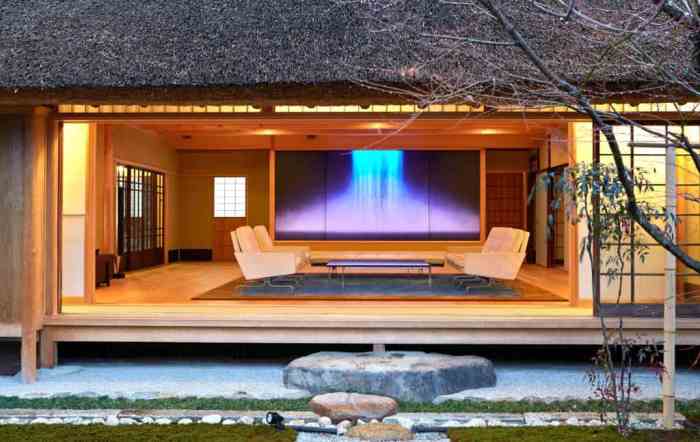
Pinterest Japanese decor offers a versatile and aesthetically pleasing approach to interior design. This style, drawing inspiration from centuries-old traditions, resonates with contemporary sensibilities by emphasizing natural elements and thoughtful arrangement. By understanding the core principles and considering practical applications, you can successfully integrate Japanese decor into your home, creating a space that is both visually captivating and profoundly relaxing.
