
Affordable tiebacks, under $10, are a surprisingly versatile tool for enhancing home decor. From subtly modern to bohemian flair, these budget-conscious accessories offer surprising design flexibility. Understanding the range of materials, styles, and installation methods empowers homeowners to transform their windows into focal points without breaking the bank.
This guide delves into the world of budget-friendly tiebacks, examining design considerations, sourcing options, and creative ways to elevate your home’s aesthetic without excessive expenditure. We explore different types of tiebacks, including fabric, rope, and decorative styles, and provide a detailed analysis of how to select and install them to perfectly complement various window treatments.
Introduction to Budget-Friendly Tiebacks
Affordable tiebacks, priced under $10, offer a practical and stylish solution for drapery management. They’re a smart choice for those seeking to enhance their home décor without breaking the bank. Their accessibility makes them a versatile addition to various design aesthetics, from minimalist modern to cozy farmhouse.These budget-friendly options are a great way to update the look of a room without a significant financial investment.
The low cost allows for experimentation with different styles and colors, enabling homeowners to easily refresh their window treatments and create a more personalized space. The availability of a wide variety of materials and styles ensures there’s an option to suit nearly every taste and décor preference.
Common Materials Used
Budget-friendly tiebacks often leverage readily available and cost-effective materials. Polyester, cotton, and linen are prevalent choices due to their affordability and versatility. These materials can be easily dyed or printed, allowing for a wider range of colors and patterns to complement diverse home décor schemes. Sometimes, these tiebacks may incorporate jute or similar natural fibers, adding a touch of rustic charm or a natural aesthetic to a room.
The material selection often directly correlates with the intended style and the overall aesthetic of the room.
Categorization of Tiebacks
Tiebacks can be categorized based on their design, function, and the style they evoke.
- Style-Based Categorization: Tiebacks can be categorized by their design, such as those that are simple and minimalist, or those that are more ornate and decorative. Minimalist designs often feature clean lines and muted tones, aligning well with contemporary or modern aesthetics. Alternatively, ornate tiebacks with intricate patterns or embellishments could be ideal for traditional or bohemian décor.
This style-based categorization is often the first consideration when choosing tiebacks for a particular room or space.
- Function-Based Categorization: Tiebacks are also categorized by their function. Some tiebacks are designed to simply hold curtains or drapes, while others might also incorporate decorative elements. Functionality can include enhanced drapery management, and the design might be suited to accommodate specific types of fabrics or drapery styles. Practicality, in terms of functionality, is also an important aspect to consider.
Design Considerations for Budget-Friendly Tiebacks
When selecting affordable tiebacks, the overall aesthetic of the room and the existing window treatments should be considered. The design of the tiebacks should complement, rather than clash with, the existing décor. The color and pattern of the tiebacks should coordinate with the colors and patterns of the room’s other textiles, such as rugs, cushions, or curtains. In rooms with a more vibrant color palette, it might be advisable to select tiebacks that maintain a neutral or subdued color scheme.
The size of the tiebacks should also be considered, as overly large tiebacks might overwhelm the window treatment or the room itself. This ensures a harmonious and aesthetically pleasing integration of the tiebacks into the overall room design.
Design Considerations for Budget Tiebacks
Budget-friendly tiebacks offer a stylish and practical solution for enhancing window treatments without breaking the bank. Careful consideration of design elements can transform a simple window into a focal point within a room, complementing existing décor and creating a cohesive aesthetic. The key lies in selecting tiebacks that harmonize with the overall room style, while remaining visually interesting and affordable.Choosing tiebacks under $10 requires a focus on functionality and aesthetic appeal.
The primary goal is to find pieces that effectively hold curtains or drapes in place, while also adding a touch of personality and visual interest. This involves considering the existing window treatments, the overall room style, and the color palette to ensure the tiebacks seamlessly integrate with the existing décor.
Matching Window Treatments
Tiebacks should complement the existing window treatments, whether they are sheer curtains, heavy drapes, or blinds. For instance, if the window treatments are simple and understated, subtly designed tiebacks will enhance the look without overwhelming the space. Conversely, if the window treatments feature intricate patterns or bold colors, bolder tiebacks can create a visually appealing contrast or complement the patterns already present.
Matching the style of the tiebacks to the overall window treatment style creates a unified look, adding visual appeal without detracting from the existing design.
Color Coordination with Existing Décor
Careful color coordination is essential for seamlessly integrating tiebacks into the existing room décor. Tiebacks should complement, rather than clash with, the existing colors in the room. Neutral tiebacks, such as beige, gray, or white, offer a versatile option that pairs well with a wide range of color palettes. Alternatively, patterned tiebacks in colors that echo existing accents or furniture pieces can create a cohesive visual connection.
For example, if the room features a vibrant throw pillow in a particular shade of blue, coordinating tiebacks in the same shade will visually unify the space.
Incorporating Tiebacks into a Cohesive Room Aesthetic
The selection of tiebacks should reflect the overall style of the room. For a modern, minimalist space, sleek, geometric tiebacks in neutral tones can create a refined aesthetic. A more traditional or rustic room might benefit from tiebacks with intricate embroidery, natural materials, or warm colors. Using tiebacks in a similar material to the existing window treatments or furniture can create visual harmony.
For example, if the room features wooden furniture, wooden tiebacks can complement the natural warmth of the room.
Creating Visual Interest with Affordable Tiebacks
Even budget-friendly tiebacks can create visual interest. Look for tiebacks with interesting textures, like linen, velvet, or woven materials. Consider tiebacks with subtle patterns, such as stripes, polka dots, or subtle floral prints, to add visual intrigue without overwhelming the room. Tiebacks with unique shapes or unusual lengths can also create a focal point. For example, asymmetrical tiebacks can add a touch of contemporary flair to a traditional space.
Incorporating these details can elevate the look of a window without sacrificing affordability.
Types and Styles of Affordable Tiebacks

Budget-conscious homeowners are increasingly seeking stylish and functional tiebacks without breaking the bank. This segment explores the diverse array of affordable tiebacks available, considering their material characteristics and aesthetic qualities. Understanding these options empowers consumers to make informed choices that complement their décor while staying within a predetermined budget.Beyond the initial cost, the longevity and aesthetic appeal of a tieback are critical factors.
A durable, attractive tieback will enhance the room’s ambiance and withstand the rigors of daily use. This section delves into the nuances of various material options, offering insights into their respective strengths and weaknesses.
Fabric Tiebacks
Fabric tiebacks offer a wide spectrum of designs and patterns, often mirroring the existing fabric in the room. Their softness and versatility make them a popular choice for many homeowners. The variety of fabrics available, from cotton to linen, allows for a seamless blend with the overall décor. Fabric tiebacks are generally affordable and readily available in various sizes and colors.
Rope Tiebacks
Rope tiebacks, typically constructed from natural fibers like jute or hemp, provide a rustic, textured look. Their natural appeal complements a wide range of design styles, from bohemian to farmhouse. The inherent durability of rope makes them a reliable option for handling heavier curtains, though the material may require more maintenance. Rope tiebacks offer a distinctive aesthetic, contrasting with the more traditional look of fabric tiebacks.
Decorative Tiebacks
Decorative tiebacks are designed to be more than just functional accessories. They often incorporate intricate patterns, unique textures, or embellishments. These tiebacks are particularly attractive in rooms with a more pronounced design theme. Their aesthetic appeal can add character and personality to the space, while still remaining within a budget-friendly range. For example, tiebacks with woven elements or subtle metal accents can complement modern or contemporary interiors.
Comparison Table of Affordable Tiebacks
| Type | Material | Durability | Aesthetic Qualities | Maintenance |
|---|---|---|---|---|
| Fabric Tiebacks | Cotton, Linen, Polyester | Moderate, dependent on fabric type | Versatile, matches existing décor | Easy care, machine washable |
| Rope Tiebacks | Jute, Hemp, Raffia | High | Rustic, natural look | May require occasional cleaning |
| Decorative Tiebacks | Metal, Wood, Fabric with embellishments | Moderate to High, dependent on material | Unique, adds personality to space | Dependent on material; some may require special care |
Sourcing Affordable Tiebacks
Budget-conscious consumers often seek ways to elevate their home decor without breaking the bank. Finding stylish and functional tiebacks for curtains at a reasonable price point is a prime example. This section explores diverse retail options, offering insights into identifying quality within a price range and comparing offerings effectively.Navigating the market for affordable tiebacks involves recognizing various retail avenues.
Online marketplaces, home goods stores, and even craft supply shops can provide accessible solutions. Key considerations include the perceived quality, durability, and design aesthetic of the product.
Retail Options for Budget Tiebacks
A multitude of retail choices caters to those seeking budget-friendly tiebacks. These options range from large online marketplaces to local home goods stores and craft supply shops. Each offers unique advantages and drawbacks in terms of selection, price, and customer service.
- Online Marketplaces: Platforms like Etsy, Amazon, and eBay offer a vast array of tiebacks from independent sellers and established brands. These platforms often feature a wide range of styles, materials, and price points. The sheer volume of choices allows for a thorough comparison and potential identification of unique or specialized tiebacks. However, buyer beware of potential quality variations among individual sellers.
Thorough reading of reviews and seller information is crucial before making a purchase.
- Home Goods Stores: Department stores and home goods retailers frequently stock tiebacks as part of their broader home decor offerings. These stores usually present a curated selection, often with more predictable quality control. However, the range of styles may be more limited compared to online marketplaces. The advantage is the in-store inspection and potential for immediate purchase.
- Craft Stores: Stores specializing in crafting supplies often carry a selection of tiebacks, especially those made from fabric scraps or other craft materials. These tiebacks are frequently personalized or unique in style, offering an opportunity to create a bespoke touch. The pricing often aligns with the handmade nature of the items. Quality can vary greatly depending on the manufacturer or seller.
Identifying Quality Tiebacks
Quality is a key consideration when choosing budget-friendly tiebacks. While price is important, the durability and material composition of the tiebacks should be evaluated to ensure longevity. These tiebacks are not just accessories but integral parts of your home décor.
- Material Inspection: Look for tiebacks made from durable materials like sturdy cotton, linen, or even well-woven polyester. Avoid excessively thin or flimsy materials that may not hold up to everyday use. Fabric quality and weight can often be a key indicator of longevity. Look for sturdy stitching and construction. A well-made tieback will be more resilient and last longer.
- Construction Details: Examine the stitching, fastenings, and any other construction elements. Look for sturdy knots, securely attached rings, or other fastening mechanisms. These details can indicate the tieback’s ability to endure repeated use and maintain its form over time. The craftsmanship reflects the quality and durability.
- Review and Feedback: Online reviews can be a valuable resource. See what other customers have said about the quality, durability, and overall satisfaction with the tiebacks. Look for consistent feedback, as individual experiences can vary.
Comparing Prices and Features
Efficient comparison of pricing and features is crucial to getting the best value for your money. This ensures that you are not just buying the cheapest option but one that aligns with your specific needs and preferences.
| Vendor | Price | Material | Style | Reviews |
|---|---|---|---|---|
| Etsy seller A | $5 | Cotton | Bohemian | Positive (high satisfaction) |
| Home goods store B | $8 | Polyester | Modern | Mixed (some minor issues) |
| Craft store C | $7 | Fabric scraps | Unique | Mixed (depends on the design) |
Comparing tiebacks across different vendors necessitates considering not only price but also the materials used, design aesthetics, and overall quality. Thorough research and careful consideration of reviews are crucial for making an informed decision.
Tieback Installation and Maintenance
Budget-friendly tiebacks, while offering style and functionality, require careful installation and maintenance for optimal longevity. Proper installation ensures the tiebacks effectively secure the curtains, while regular maintenance safeguards against wear and tear, preventing premature damage. This section delves into the practical steps for installation and the key elements of upkeep.Installing affordable tiebacks, like more expensive ones, requires precision and attention to detail.
The method used depends on the type of tieback, the curtain hardware, and the desired aesthetic. Different techniques offer varying levels of adjustability and visual appeal. Correct installation ensures the tiebacks serve their purpose without compromising the curtain’s drape or the overall decor.
Installation Methods
Various methods exist for installing tiebacks, each with its own advantages and disadvantages. Choosing the right method ensures the tiebacks are securely fastened and aesthetically pleasing. Careful consideration of the curtain type and the tieback’s design is essential.
- Using Curtain Rods: For tiebacks intended for use with curtain rods, the most straightforward approach is to attach them directly to the rod. Tiebacks can be directly attached using small, discreet clips or hooks that are designed for this purpose. This method is often the easiest and most straightforward, particularly for tiebacks that have pre-installed mounting points. This approach is suitable for both simple and complex tieback designs.
- Utilizing Wall-Mounted Hooks: Tiebacks can be hung from wall-mounted hooks, providing a secure and visible method of support. This approach allows for greater flexibility in placement, enabling the tiebacks to be positioned exactly where needed to achieve the desired effect. It’s ideal for situations where the tiebacks are needed to hold the curtains away from the windows.
- Employing Adhesive Hooks: For quick and easy installation, adhesive hooks are a viable option. These hooks offer a simple, no-fuss method of mounting tiebacks, making installation remarkably convenient. These are particularly useful in temporary settings or for those who prefer a non-permanent approach. However, they may not be suitable for heavy-duty use.
Maintenance Strategies
Regular maintenance extends the lifespan of affordable tiebacks, preserving their aesthetic appeal and functionality. This involves simple steps that can significantly impact the tieback’s longevity. Regular care, especially for materials prone to wear and tear, is crucial.
- Cleaning: Regular cleaning is essential for maintaining the appearance and functionality of tiebacks. The method of cleaning depends on the material. For fabric tiebacks, a gentle wipe or spot cleaning with a damp cloth and mild detergent is usually sufficient. Fabric tiebacks should be air-dried completely to avoid damage or shrinkage. For metal tiebacks, a soft cloth and a mild cleaning solution are sufficient.
- Inspection: Regularly inspect tiebacks for signs of wear and tear, such as loose fasteners, frayed fabric, or damaged components. Prompt attention to these issues prevents small problems from escalating into major ones. This ensures the tiebacks continue to function as intended and maintain their aesthetic appeal.
- Storage: When not in use, tiebacks should be stored in a cool, dry place, away from direct sunlight and moisture. This prevents damage from moisture and prevents fading from excessive sunlight. This simple precaution will help extend the lifespan of the tiebacks.
Material-Specific Care
Different materials require different care procedures. Understanding the specific care needs of the tieback material is crucial for its long-term preservation.
| Material | Cleaning Method | Storage Considerations |
|---|---|---|
| Fabric | Gentle wipe or spot cleaning with a damp cloth and mild detergent. | Store in a cool, dry place away from direct sunlight. |
| Metal | Soft cloth and a mild cleaning solution. | Avoid exposure to extreme temperatures or moisture. |
| Wood | Gentle dusting with a soft cloth. | Store in a dry, dust-free environment. |
Matching Tiebacks to Different Window Treatments
Coordinating tiebacks with window treatments is crucial for achieving a cohesive and aesthetically pleasing interior design. A well-chosen tieback can enhance the overall ambiance and highlight the architectural features of a room, while an ill-fitting one can disrupt the harmony. The key lies in understanding the interplay between the tieback’s style, material, and color with the existing window treatments.Selecting tiebacks that complement, rather than clash with, the window treatments is essential for creating a unified look.
This involves careful consideration of color palettes, patterns, and textures. A harmonious design translates into a visually appealing and balanced space.
Matching Tiebacks to Curtains
Curtains, often the focal point of a window, demand tiebacks that either complement or contrast with their style and fabric. Solid-colored curtains benefit from tiebacks in coordinating or contrasting colors. If the curtains feature patterns, tiebacks in complementary colors or subtle patterns can enhance the visual appeal. For instance, a floral pattern on curtains might be complemented by tiebacks with a similar floral motif, or a tieback in a solid color that echoes one of the colors in the floral design.
Tiebacks in rich, deep colors can add drama to lighter-colored curtains, while lighter tiebacks can accentuate darker curtains.
Matching Tiebacks to Blinds
Blinds, often functional and versatile, can be enhanced by carefully selected tiebacks. Solid-colored blinds present a blank canvas for tiebacks, allowing for a wide range of styles and colors. Tiebacks in a color that echoes the room’s overall color scheme or complements the wall color can create a balanced look. For patterned blinds, tiebacks with a coordinating color or pattern can draw attention to the unique features of the blinds, while tiebacks in a solid color can create a stark contrast.
Matching Tiebacks to Drapes
Drapes, with their substantial weight and often elaborate designs, demand tiebacks that can hold them gracefully and add to their presence. Heavy drapes often look best with tiebacks that match the color or complement the overall color scheme of the room. If the drapes have a rich, patterned design, a solid-color tieback can help to highlight the pattern, or vice-versa, with a patterned tieback highlighting the drapes.
Tiebacks that mirror the drape’s color or texture can provide a sophisticated and unified look.
Comparing Tieback Styles for Different Treatments
Different tieback styles offer varying degrees of formality and visual impact. For instance, a simple, understated tieback can complement a minimalist curtain design, while a more elaborate tieback can add a touch of grandeur to heavy drapes. Consider the overall aesthetic of the room when choosing a style, and select tiebacks that align with the existing décor. The shape and material of the tiebacks can also influence the look and feel of the window treatments.
For example, velvet tiebacks with a button closure might be appropriate for a traditional setting, while linen tiebacks with a knotted closure would suit a more relaxed space.
Creative Tieback Ideas and Inspiration
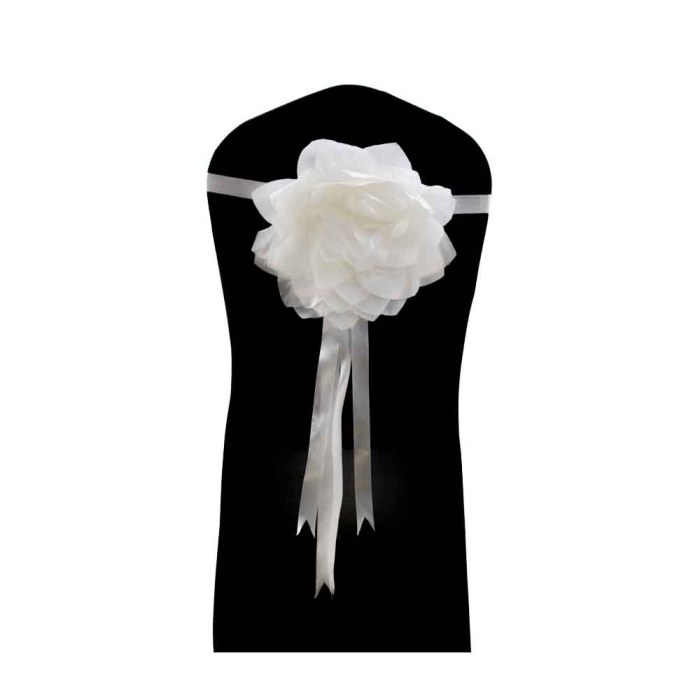
Budget-friendly tiebacks, surprisingly, offer a vast array of creative potential. Beyond their practical function, they can be transformative decorative elements, breathing new life into any window treatment and subtly altering the ambiance of a room. This exploration delves into imaginative ways to leverage these affordable accessories to elevate visual appeal and tailor the mood of a space.Clever selection and placement of tiebacks can dramatically reshape the aesthetic of a room, even if the tiebacks themselves are simple.
The interplay between the tiebacks, the window treatment, and the overall décor creates an engaging focal point.
Tiebacks as Statement Pieces
Simple tiebacks can become striking focal points when strategically chosen to complement the room’s color scheme and style. Consider using tiebacks with contrasting colors or textures to create a dynamic visual effect. For instance, a set of chunky, woven tiebacks in a deep emerald green can add a touch of elegance to a minimalist living room, while a collection of vibrant, patterned tiebacks can liven up a child’s bedroom.
Tieback Placement for Visual Interest
The arrangement of tiebacks can significantly impact the visual appeal of a window. Experiment with asymmetrical placements for a contemporary feel or create a symmetrical pattern for a more traditional look. For instance, positioning tiebacks closer to the top of the window can create a feeling of height and spaciousness, while placing them lower can draw attention to the window’s frame.
These subtle adjustments can drastically alter the room’s visual balance.
Tiebacks as Mood Enhancers
Tiebacks are powerful tools for setting a mood or atmosphere in a room. Using tiebacks in a warm, earthy color palette can evoke a sense of tranquility and coziness, perfect for a bedroom or living room. Alternatively, tiebacks in bold, bright hues can energize a kitchen or dining area. These accessories can play a crucial role in shaping the overall atmosphere of a space.
Tieback Materials and Textures for Visual Appeal
The choice of material and texture for tiebacks can significantly influence the room’s aesthetic. Natural fibers like jute or linen provide a warm, inviting touch, while metallic finishes like brushed nickel or copper add a touch of modern sophistication. The tactile quality of the material can complement or contrast with the existing fabrics in the room, creating an interesting interplay of textures.
A simple set of tiebacks can effectively tie together various design elements within a room.
Creative Tieback Styles for Different Settings
Tiebacks can adapt to a variety of interior design styles. For a bohemian-inspired bedroom, macrame tiebacks could add a touch of whimsy and texture. In a modern living room, sleek, minimalist tiebacks in a neutral tone can create a clean and sophisticated look. This adaptability allows for personalization and customization to match individual tastes and settings. Even simple, solid-colored tiebacks can be incorporated into various styles through thoughtful selection and placement.
Budget-Friendly Tiebacks for Different Decor Styles
Budget-conscious homeowners can elevate their window treatments without breaking the bank. Choosing the right tiebacks can significantly enhance the aesthetic appeal of a room while adhering to a predetermined budget. The key lies in understanding how different tieback styles align with various decor preferences.A well-chosen tieback can seamlessly integrate into a room’s existing aesthetic or serve as a statement piece, adding personality and visual interest.
The material, color, and design of tiebacks should complement the overall decor, whether modern, bohemian, or traditional. Careful consideration of these factors ensures a cohesive and visually appealing space.
Modern Decor
Modern interiors often feature clean lines, neutral palettes, and minimalist designs. Tiebacks for modern spaces should exhibit simplicity and elegance. Sleek, geometric shapes or subtly textured materials, such as linen or cotton in a neutral tone, are ideal choices. A metallic finish or a polished wood tone can add a touch of sophistication. For instance, simple rope tiebacks in a dark gray or a set of black metal tiebacks with a modern, streamlined design will complement a modern space.
These choices avoid overwhelming the room’s minimalist style.
Bohemian Decor
Bohemian decor embraces a free-spirited, eclectic mix of patterns, textures, and colors. Tiebacks for this style should reflect the room’s vibrant character. Woven fabrics, such as macrame or raffia, are excellent choices. Rich textures and warm colors, like terracotta or burnt orange, are often incorporated. A set of macrame tiebacks with a natural color palette, or tiebacks woven from colorful, natural fibers, are visually engaging and complement the bohemian theme.
Traditional Decor
Traditional decor emphasizes elegance, symmetry, and classic design elements. Tiebacks for this style should exude sophistication and timeless appeal. Heavy fabrics like velvet or silk in rich colors like burgundy or emerald green are suitable choices. Ornate designs or those with a subtle pattern will seamlessly integrate into a traditional space. Tiebacks with delicate floral or damask patterns will enhance a traditional setting without compromising the classic feel.
Table Comparing Tieback Styles for Various Decor Styles
| Decor Style | Tieback Style Examples | Material & Color Considerations |
|---|---|---|
| Modern | Sleek rope, geometric metal, linen/cotton in neutral colors | Clean lines, neutral tones, subtle textures |
| Bohemian | Macrame, raffia, woven fibers in various colors and patterns | Rich textures, warm colors, eclectic patterns |
| Traditional | Velvet, silk, ornate designs with floral/damask patterns | Sophisticated fabrics, rich colors, timeless designs |
Tieback Alternatives and Considerations
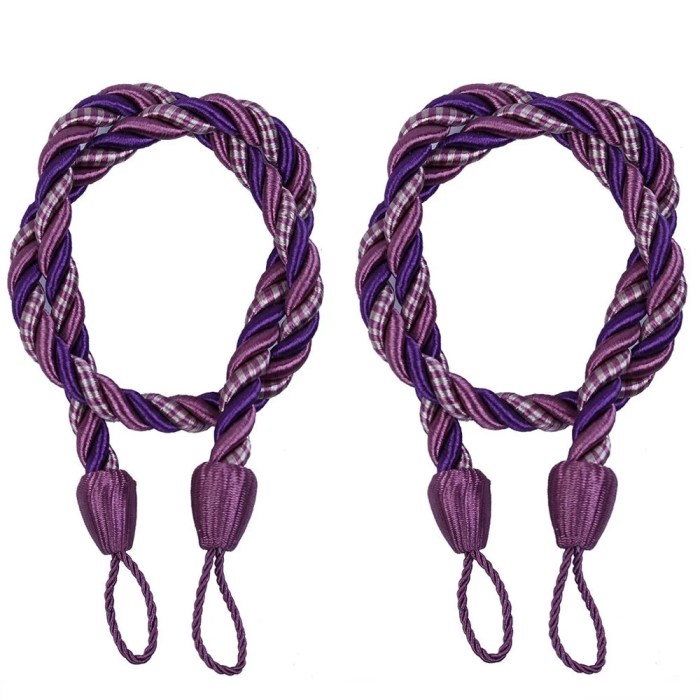
Beyond tiebacks, a range of window treatments offer comparable functionality and aesthetic appeal, particularly for unique window shapes or those with specific light-control needs. Exploring alternatives allows homeowners to tailor solutions to their specific requirements, from budget constraints to architectural design.Integrating tiebacks effectively into rooms with unusual window shapes or features necessitates careful planning. For example, bay windows or arched windows might require custom-designed tiebacks, or even alternative solutions entirely, like sheers or roman shades.
A strategic approach ensures both practicality and visual harmony.
Alternative Window Treatments
Window treatments beyond tiebacks provide varied options for managing light, privacy, and aesthetics. These alternatives address diverse needs and budgets.
- Sheer Curtains: Lightweight and translucent sheer curtains offer privacy and diffuse sunlight without obscuring the view. They are often a budget-friendly choice, and can complement heavier drapes or blinds, particularly for rooms that need natural light but require privacy.
- Blinds: Venetian, Roman, or roller blinds provide excellent light control and privacy. The wide array of materials and styles allows for a significant range of budgets, from simple wood blinds to sophisticated motorized systems.
- Shades: Cellular, honeycomb, and roller shades are popular choices for energy efficiency. These treatments help insulate windows and offer light control while minimizing drafts, particularly beneficial in climates with significant temperature variations.
- Panel Curtains: These are often a cost-effective solution, especially for large windows or those requiring a substantial amount of privacy. Their straightforward design and wide availability make them a popular choice for modern and minimalist aesthetics.
Incorporating Tiebacks into Unique Windows
Addressing the specific needs of unusual window shapes requires tailored solutions. Tiebacks should enhance, not detract from, the architectural features.
- Bay Windows: Custom-designed tiebacks or a combination of treatments, such as sheer curtains and tiebacks, are best. The objective is to allow the room to utilize the natural light while maintaining the architectural feature.
- Arched Windows: Tiebacks that follow the curve of the window are ideal. Curved or rod-style tiebacks allow for both visual appeal and functionality, ensuring the tiebacks blend seamlessly with the arched design.
- Multi-paned Windows: Using tiebacks on each window pane individually might be cumbersome, especially with a significant number of panes. Blinds or shades that cover the entire window unit might be more practical.
Choosing the Right Window Treatment
Selecting the optimal window treatment involves considering several factors. This process should align with both aesthetic and practical requirements.
- Light Control: Assess the amount of natural light desired and the need for privacy. Blinds or shades are good for precise light control, while sheer curtains allow for diffused light.
- Budget: Different window treatments span a wide price range. Determine the budget allocation for the window treatments and look for options that match.
- Room Style: Consider the overall aesthetic of the room when selecting the window treatment. Tiebacks or other treatments should complement the existing décor.
- Maintenance: Some treatments are easier to clean and maintain than others. Choose a treatment that aligns with the available time and resources.
Conclusion
In conclusion, under $10 tiebacks provide a compelling and cost-effective solution for enhancing window treatments across a spectrum of home decor styles. By carefully considering design elements, sourcing options, and installation methods, homeowners can elevate their windows without overspending. This comprehensive guide provides a practical framework for creating visually appealing and budget-friendly home decor solutions.
